At a Glance
The Land Itself
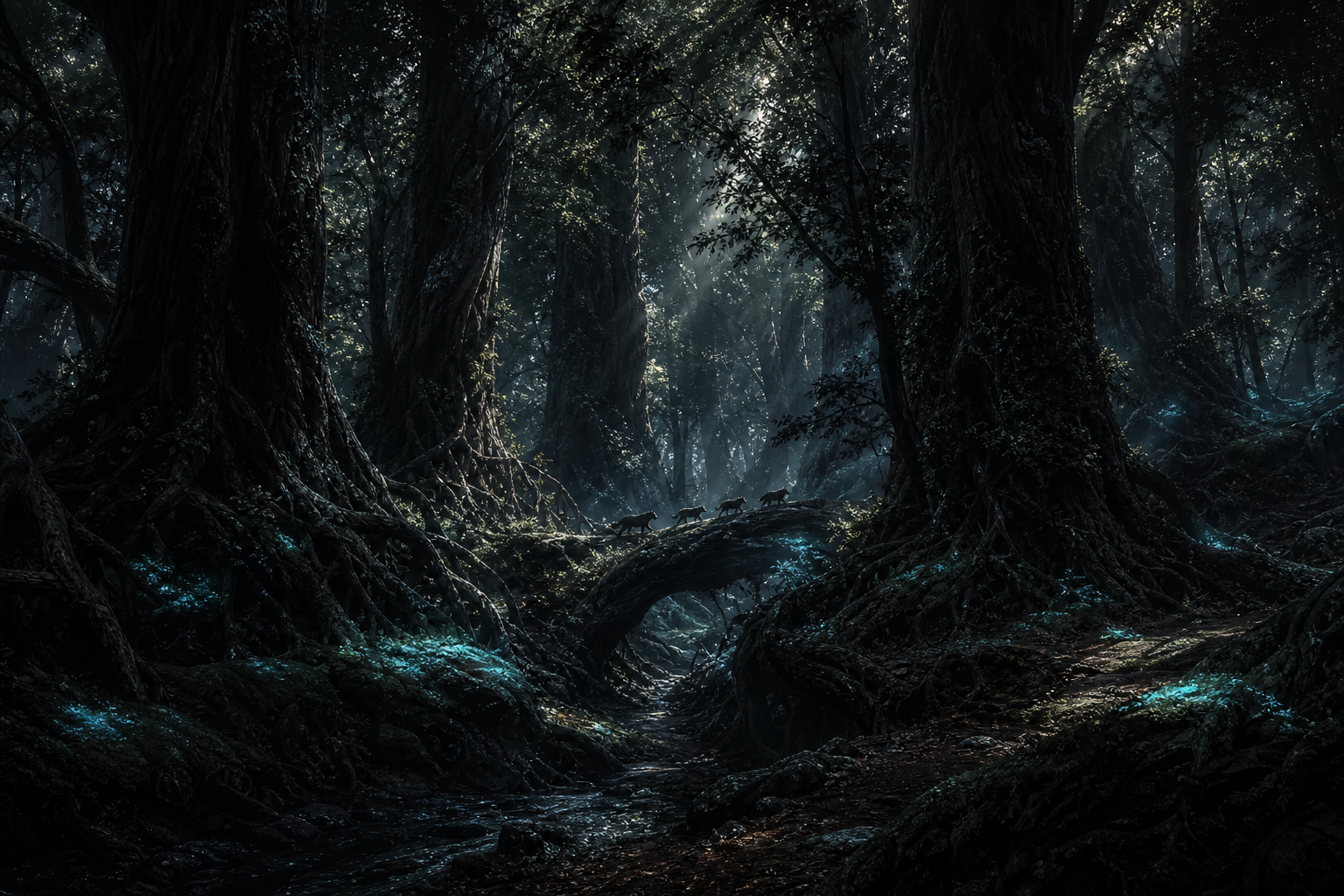
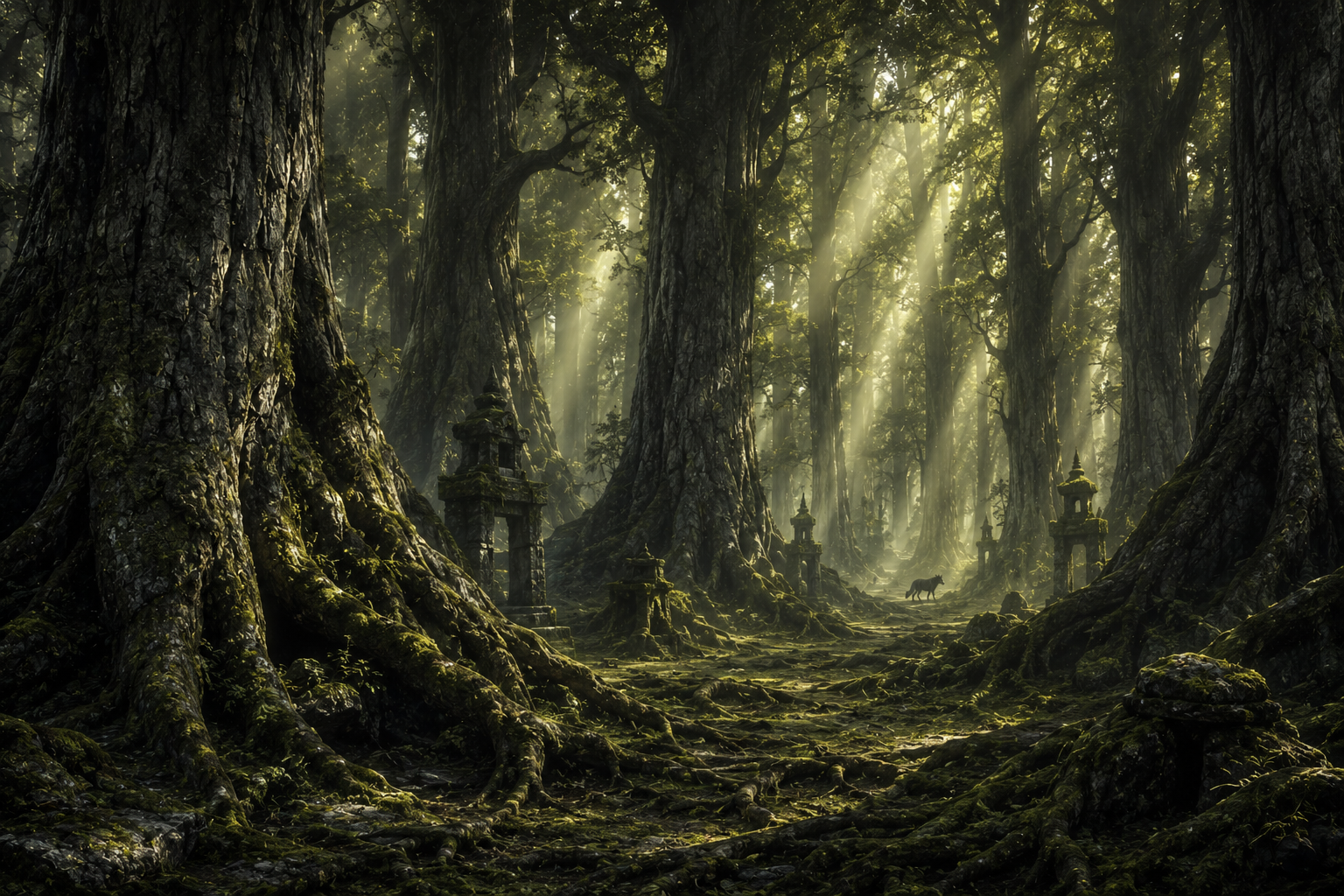
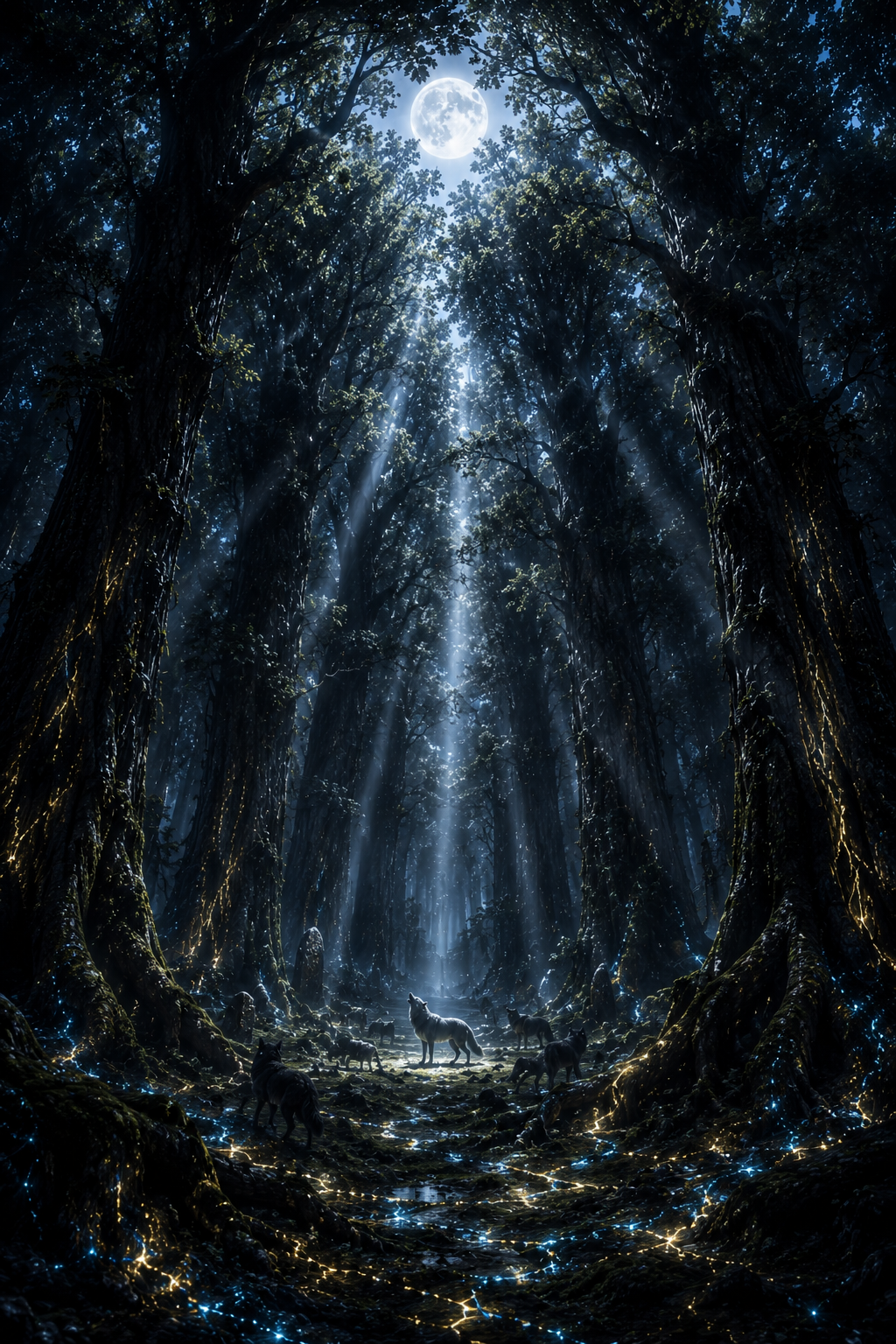
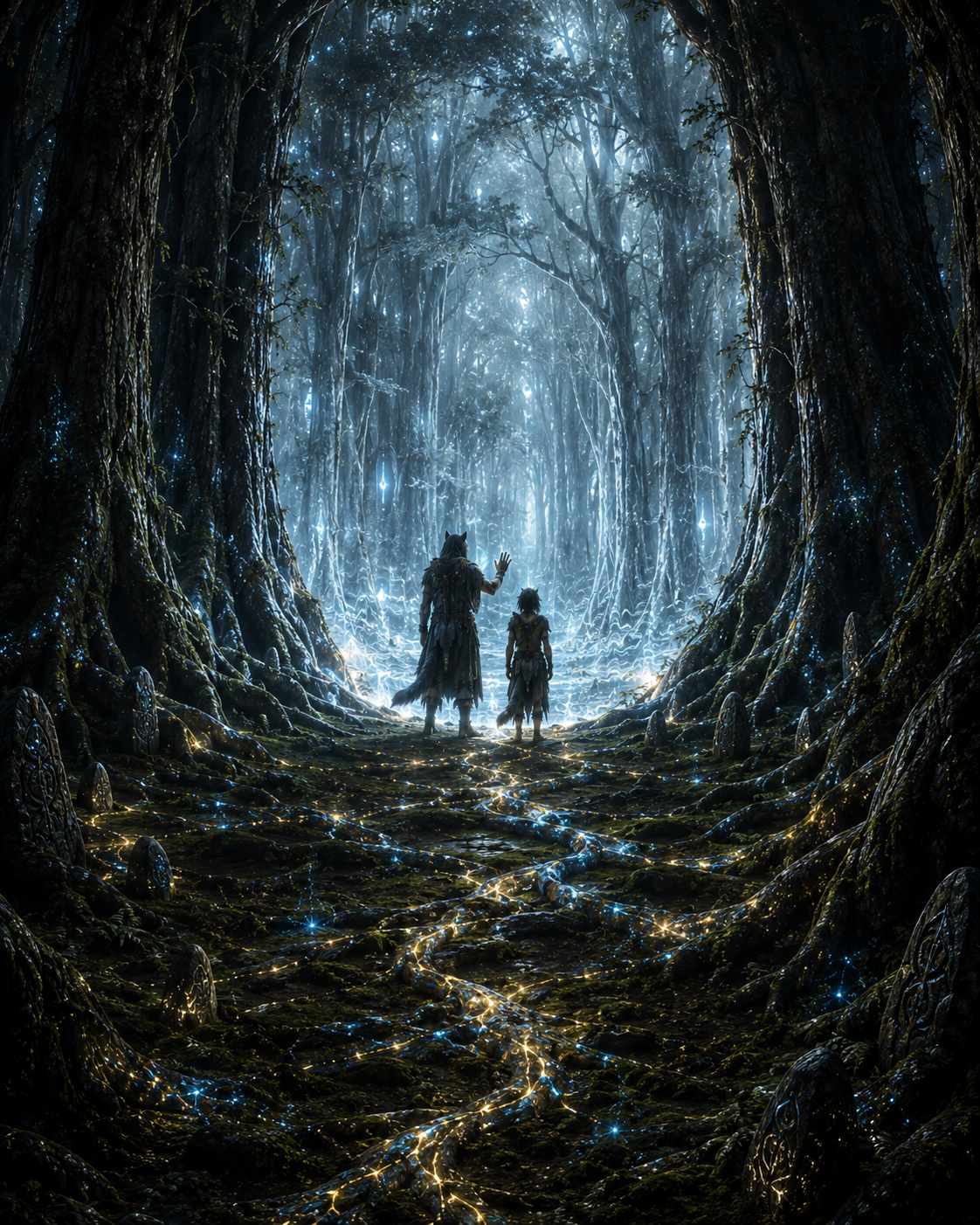
The Fenrir Wilds occupies the northwest interior of Argos. To the east the Dragon Threshold foothills rise. To the south, farmland plains lead toward Solaria. To the north the forest thins into the Pale Reach's subarctic frontier. The Wilds is dense, storm-heavy, and cold in the way that living things find productive. The rivers are fast and clear. The soil is dark and deep. The trees grow large because they have been growing for a very long time.
The forest does not feel hostile. It feels occupied. The difference matters. You do not survive the Fenrir Wilds by fighting it. You survive it by learning what was already there when you arrived and behaving accordingly.
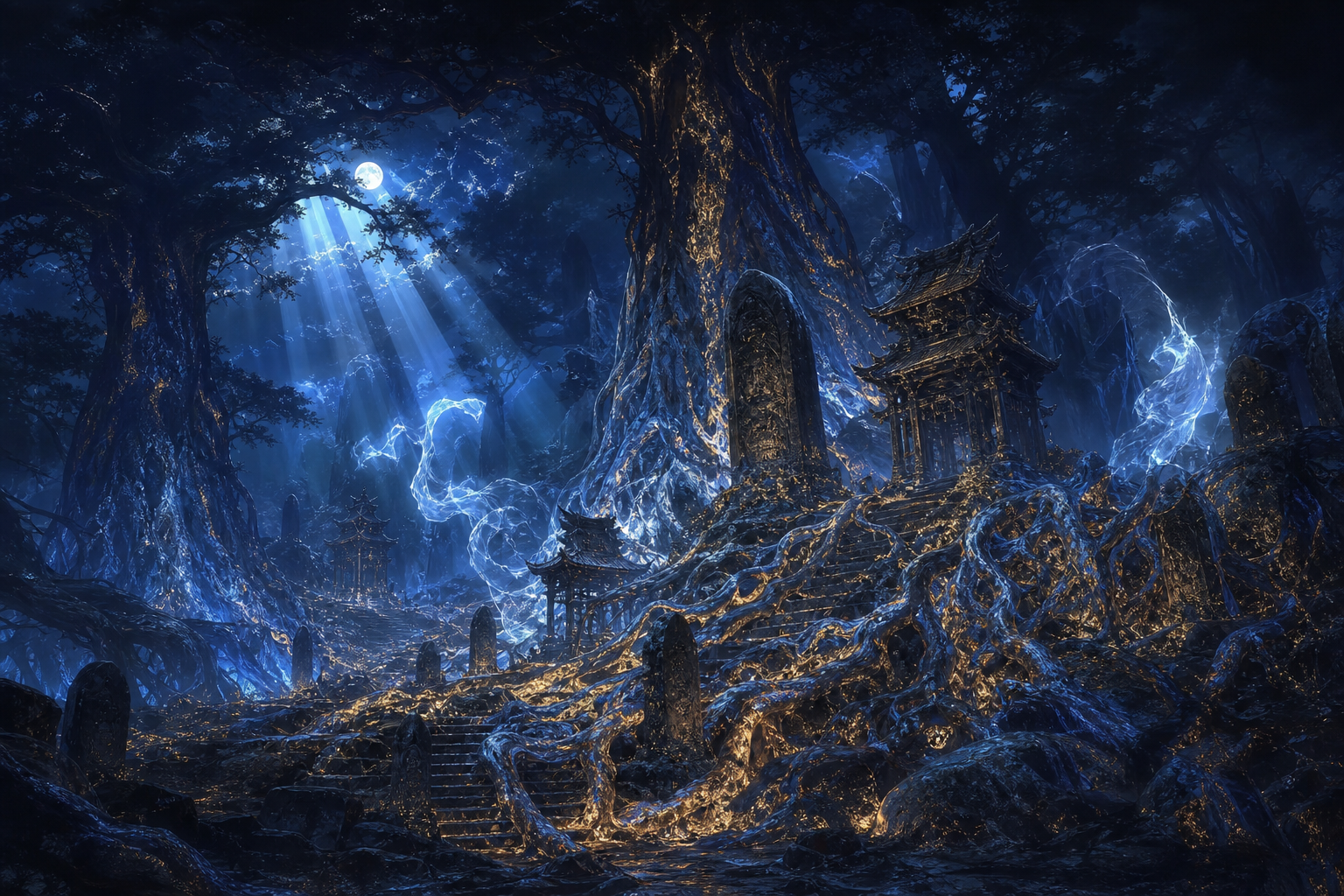
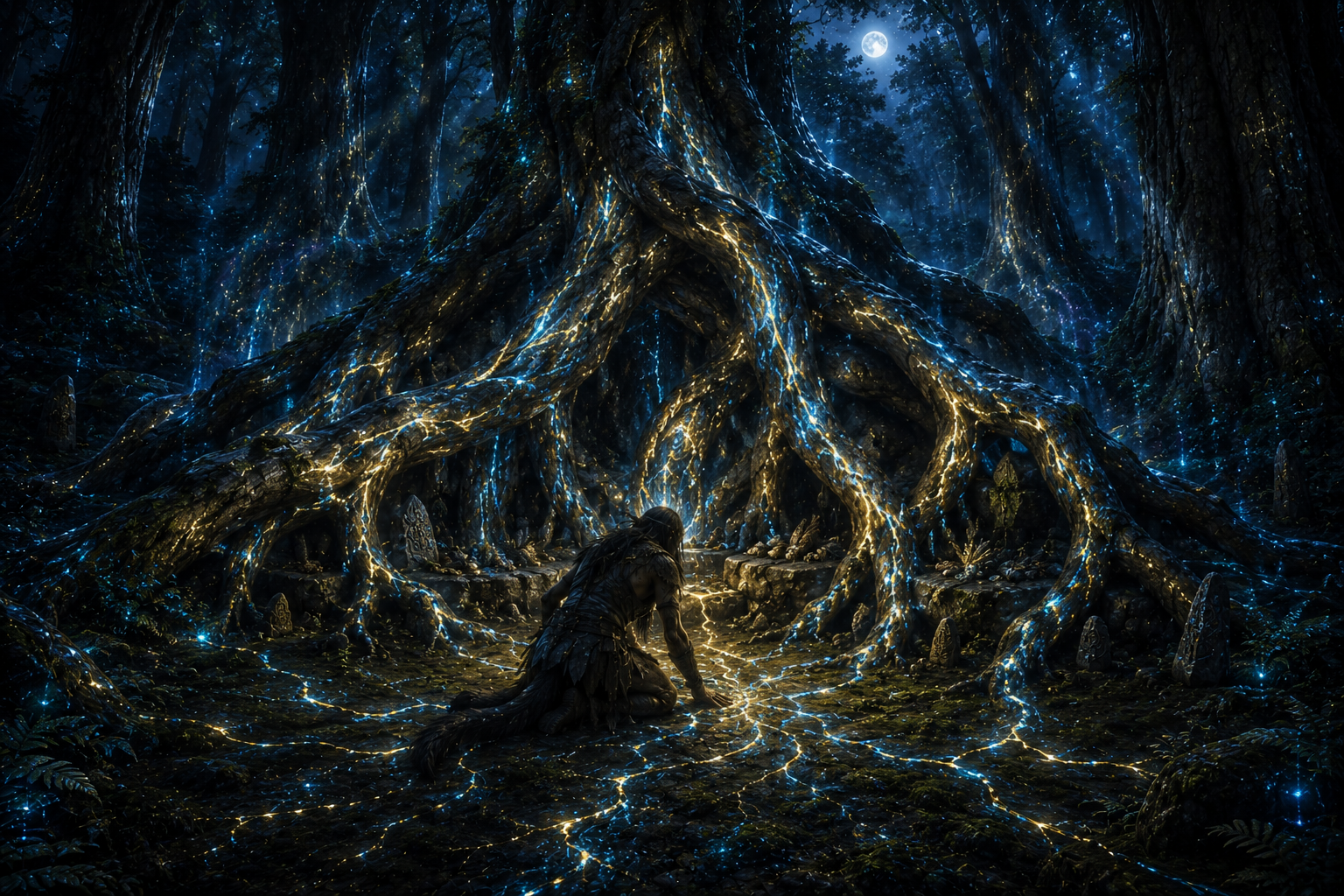
The oldest trees in the Fenrir Wilds predate every kingdom on the continent by millennia. Their rings contain evidence of fire on a scale that should have killed the forest, evidence of regrowth faster than biology accounts for, and evidence of something that was not weather and was not fire passing through the canopy at regular intervals across three centuries during the God War period. Noble pack families have named specific trees — private names, passed through oral tradition, not decoration but obligation.
Beneath the forest floor, predating wolf civilization, are structures that match no known architectural tradition. Not human, not Dwarf, not Fae. Whoever built them intended what they built to last past the point of their own presence. The Dwarves whose underground networks run beneath the Wilds have encountered these ruins from below and treat them with a specific formality they have not explained to the wolf families above.
The Fenrir Covenant & The Four Noble Packs
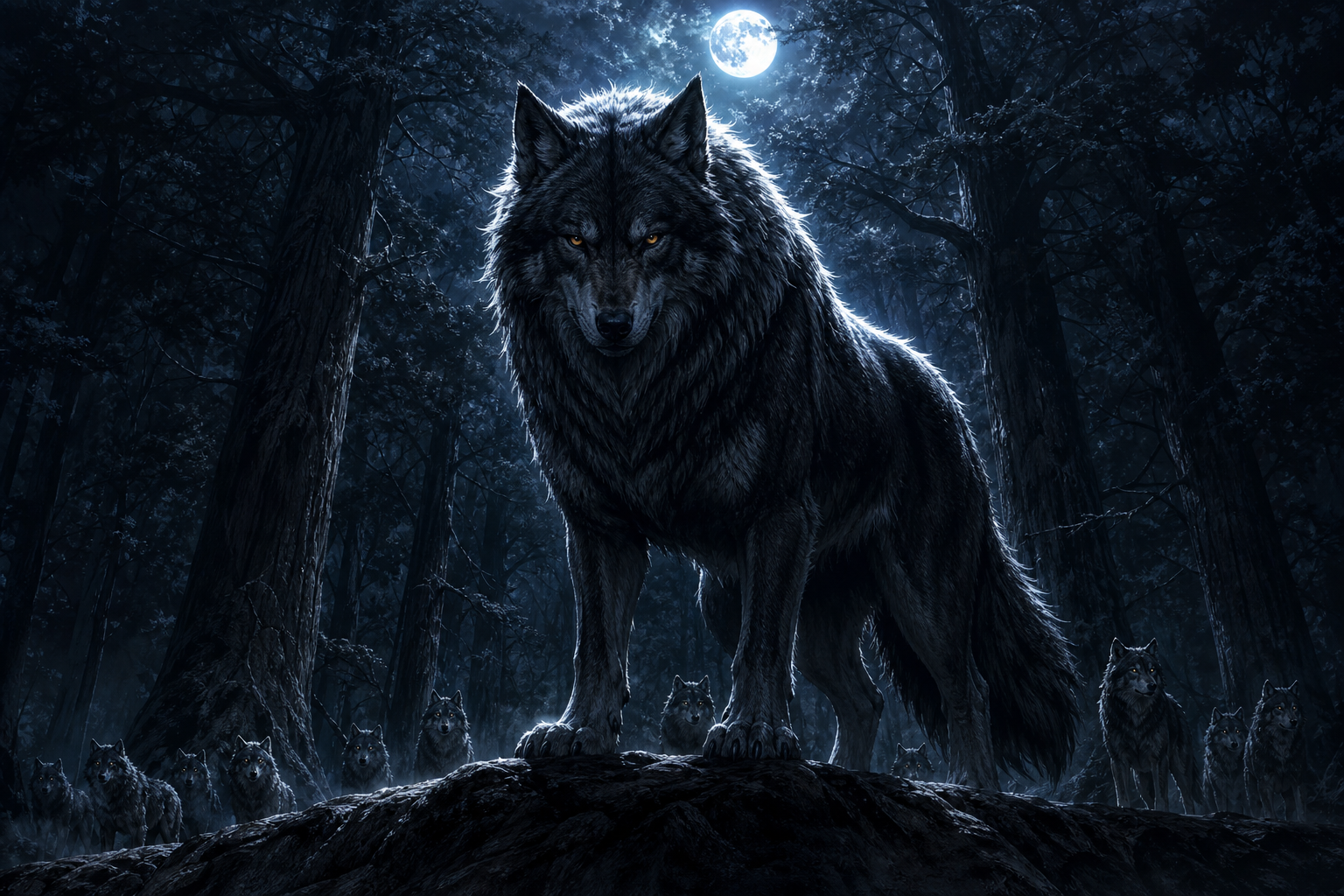
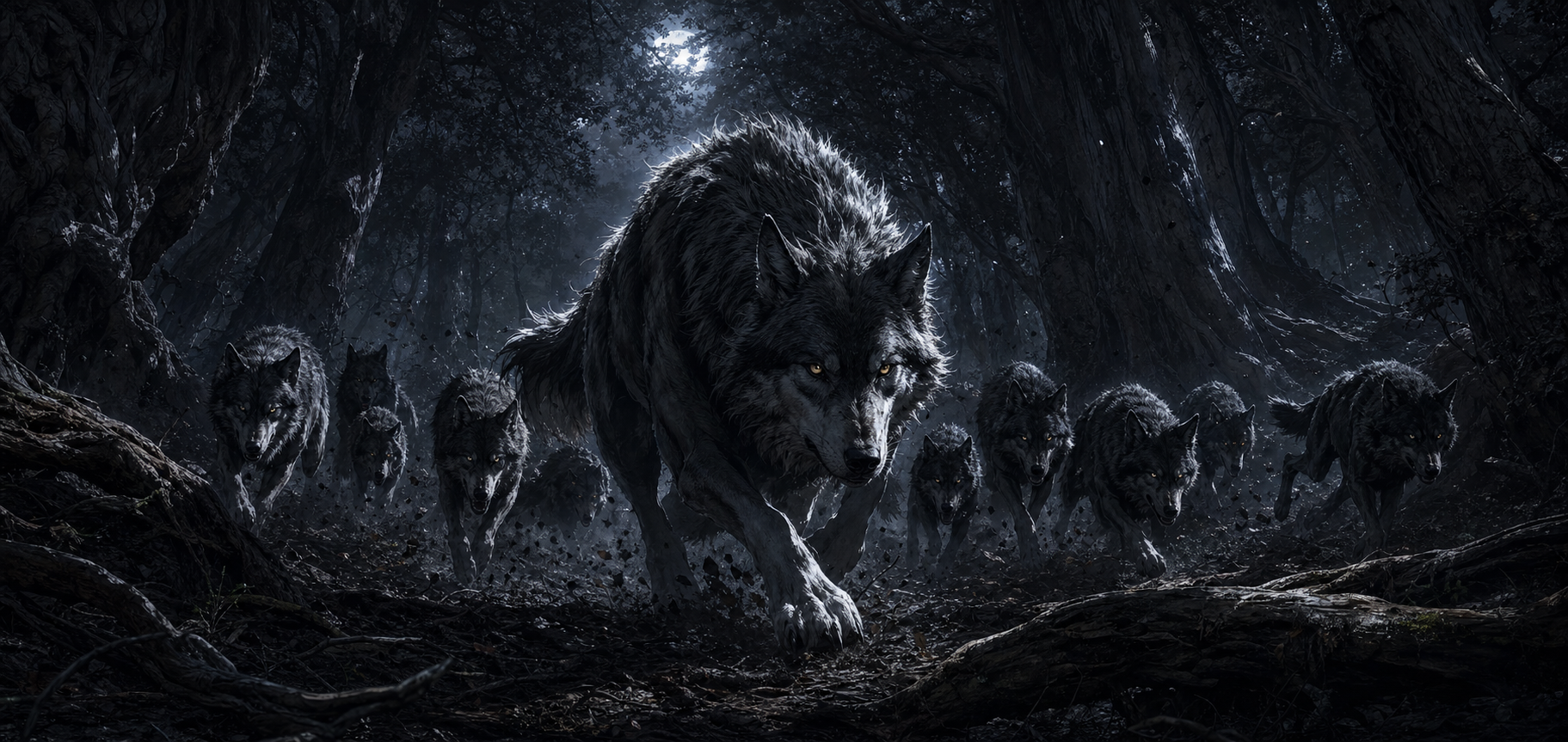
The werewolf species was produced by the Fenrir Covenant — a pre-God War blending of wolf-spirit and mortal bloodlines. The Covenant produced wolf transformation, pack resonance, and the silver vulnerability of noble bloodlines as the price of controlled transformation: to hold the gift with precision, you accept a vulnerability that keeps you accountable. The terms are still in effect. They are not ceremonial.
The Fenrir Wilds is governed by four Noble packs, each named for a phase of the moon. All four are equal in standing and in power. The continental Alpha position, when filled, holds authority above the council. The council has been governing without a continental Alpha for the years leading into Asura's era. They have managed. They have not thrived.
Associated with the crescent moon: becoming, potential that has not yet fully expressed itself, power in its developmental phase. Reputation for producing wolves of exceptional individual capability. Alpha's mother was Crescent-line. Elder traditions emphasize patience — what a wolf becomes matters more than what they are at the moment of reckoning.
Associated with the full moon: peak power, full visibility, wolves operating at the height of what they are. Traditionally produces the Wilds' strongest physical fighters and most visible leaders. Full moon wolves in their prime are the reference point the other packs measure warrior capability against. Elder traditions emphasize presence: a wolf who cannot be seen cannot lead.
Associated with the half moon: balance, the midpoint between potential and expression, the phase of judgment. Reputation for producing the council's most politically capable elders and most reliable arbiters of dispute. Half moon wolves are known for instinct that operates as wisdom rather than reaction. Elder traditions: the space between two positions is where truth usually lives.
Associated with the new moon: darkness, concealment, power that operates without requiring visibility. The most frequently misunderstood of the four houses. New moon wolves work best in the space between observation and action, in the movements that happen before anyone is watching, in capabilities never fully catalogued because displaying them defeats their purpose. Elder traditions are the least public and the most precisely maintained.
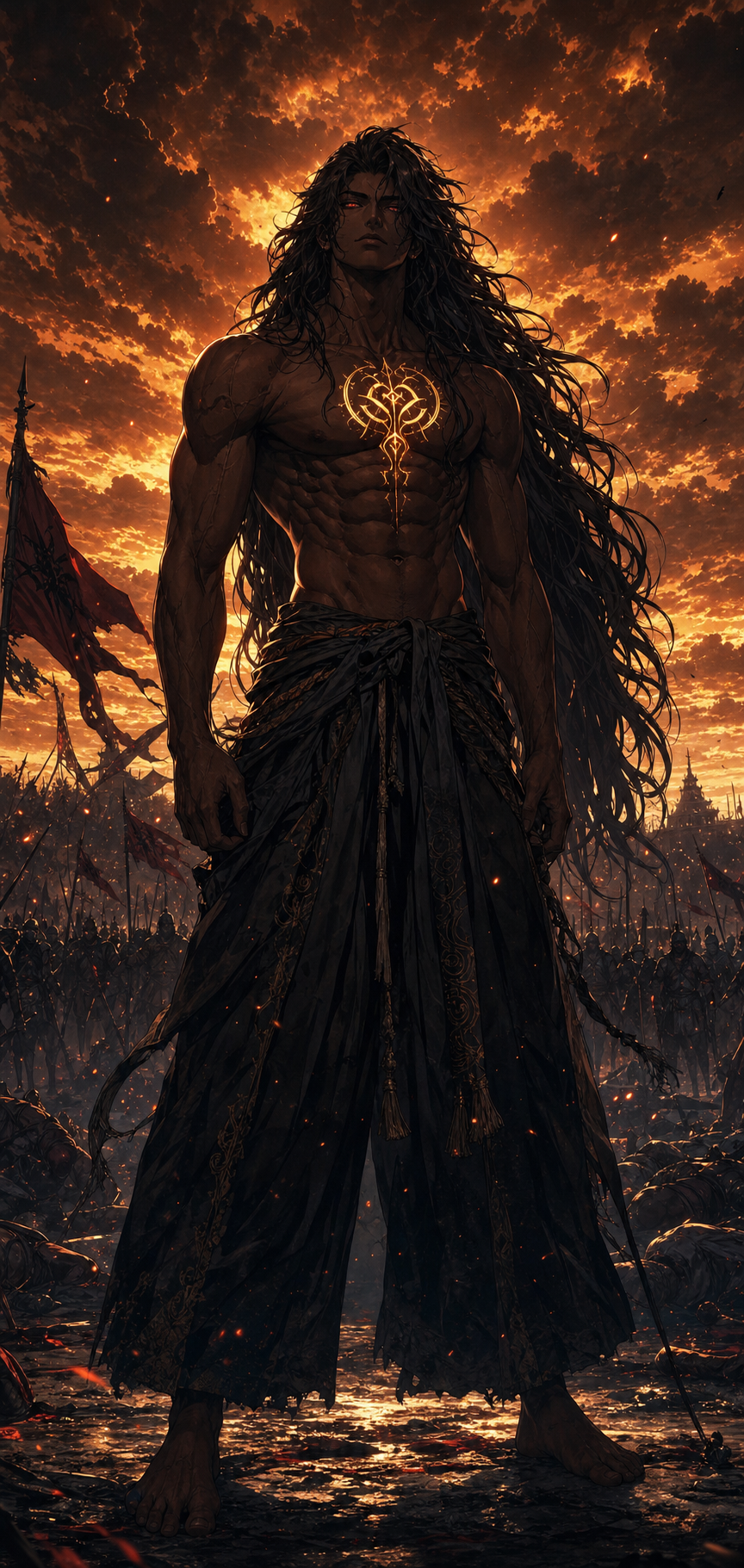
The continental Alpha is recognized not by the council's vote but by the genuine acknowledgment of wolves across all four packs that this specific wolf holds that standing. It cannot be appointed. It cannot be conferred. When Alpha returns to the Wilds, the council will not grant him his authority. He will either have it or he will not, and everyone present will know which. The council made the decision to send Alpha away — not maliciously, but their intention and the outcome are two entirely different things, and Alpha heard rejection rather than development. He left. He has not come back.
Key Figures
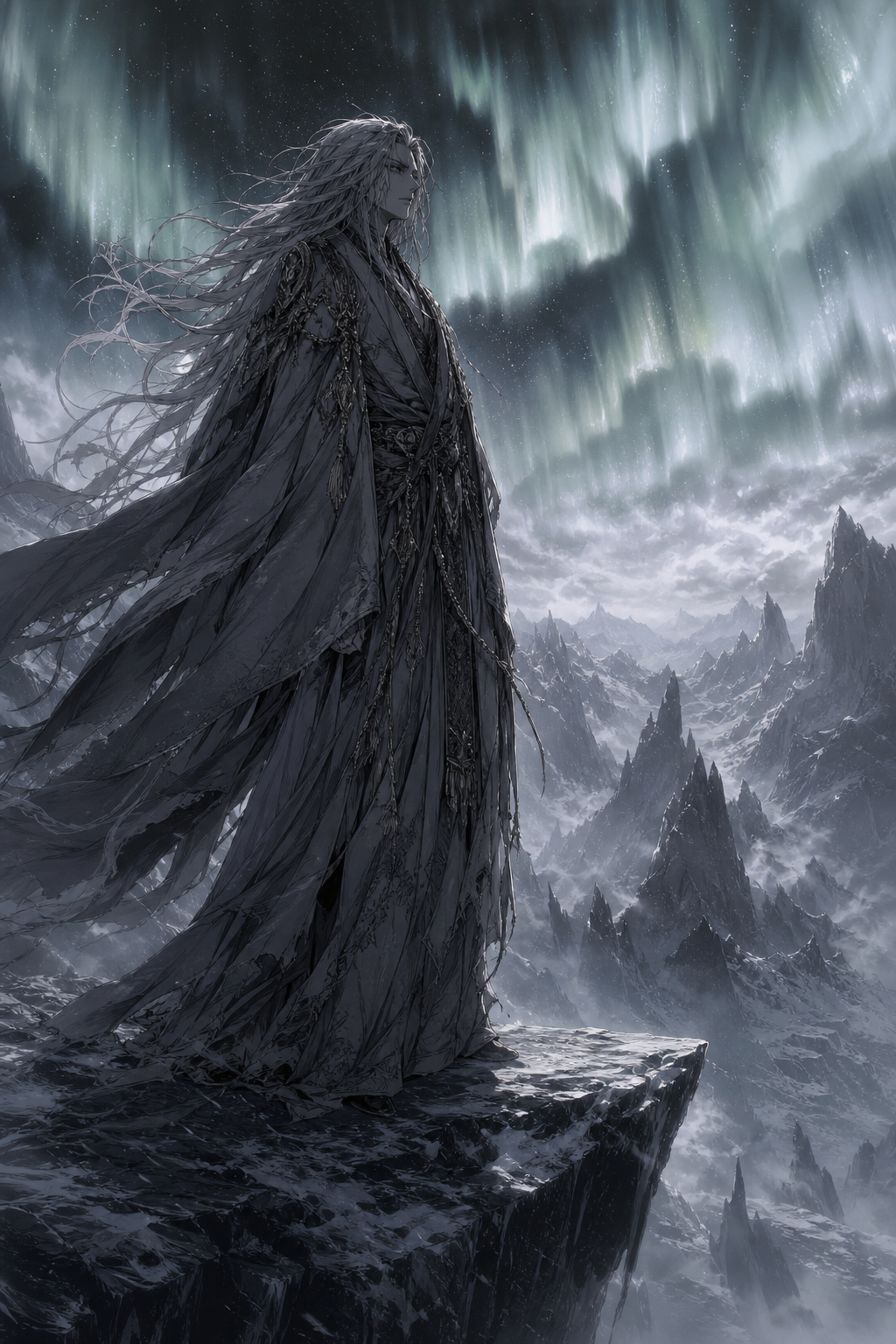
Three hundred years old at minimum, possibly older. Holds no formal authority and has never wanted it. Holds credibility accumulated across three centuries of being present when things happened and remembering them accurately. Long grey-white hair, eyes like silver mirrors, tall and lean. Age visible in stillness, not wrinkles. He said, for the first time in living memory, that something has changed. Old Grey does not make casual remarks. Whatever he noticed, it was real.
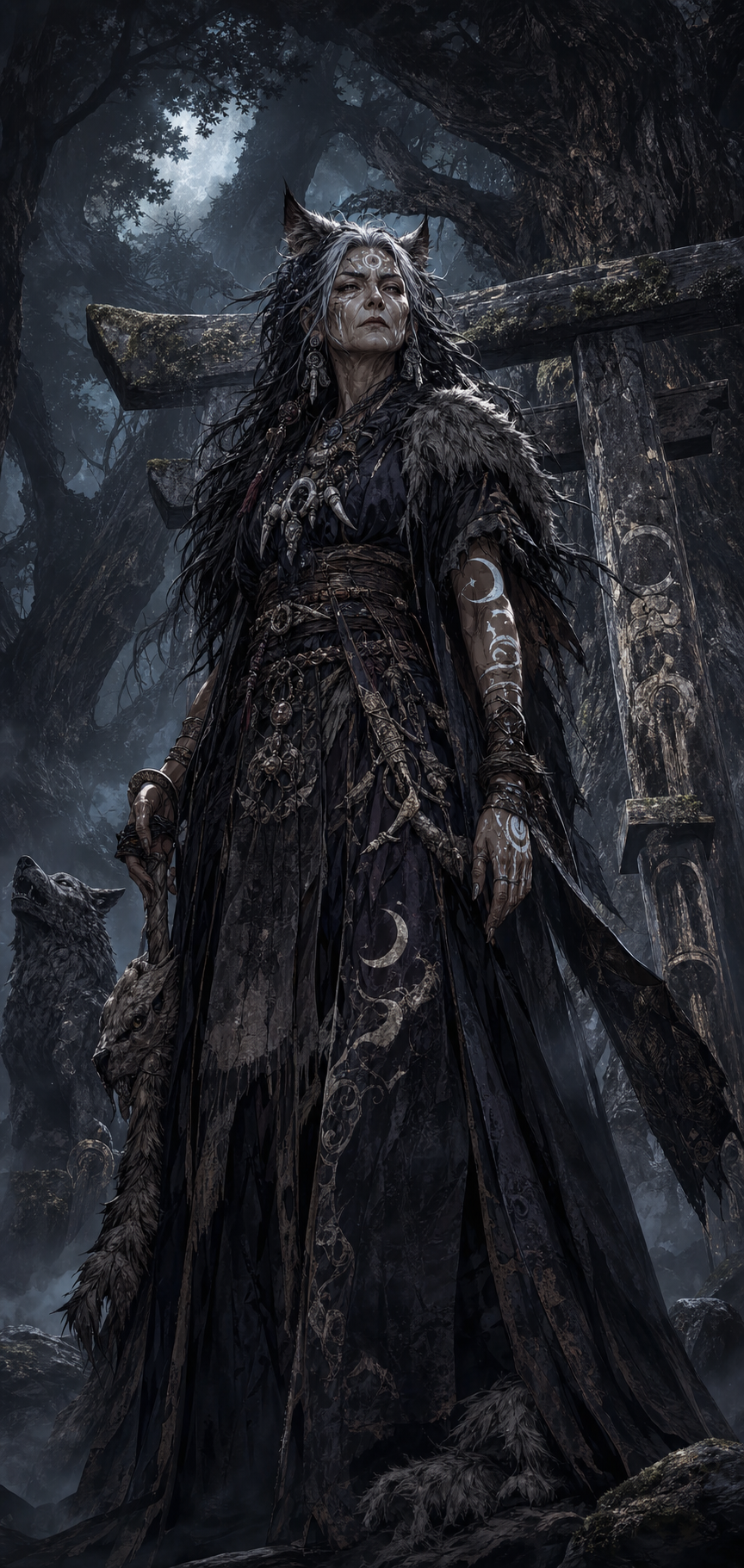
The council's advocate for individual wolves — their rights, their development, the cases where the system has failed them. Brings forward what pack structures overlook when they prioritize institution over person. The Crescent seat is the first to be accused of idealism when the council is under pressure. The accusation has never changed the seat's position. The elder believes the Wilds is only as strong as the individual wolves it produces.
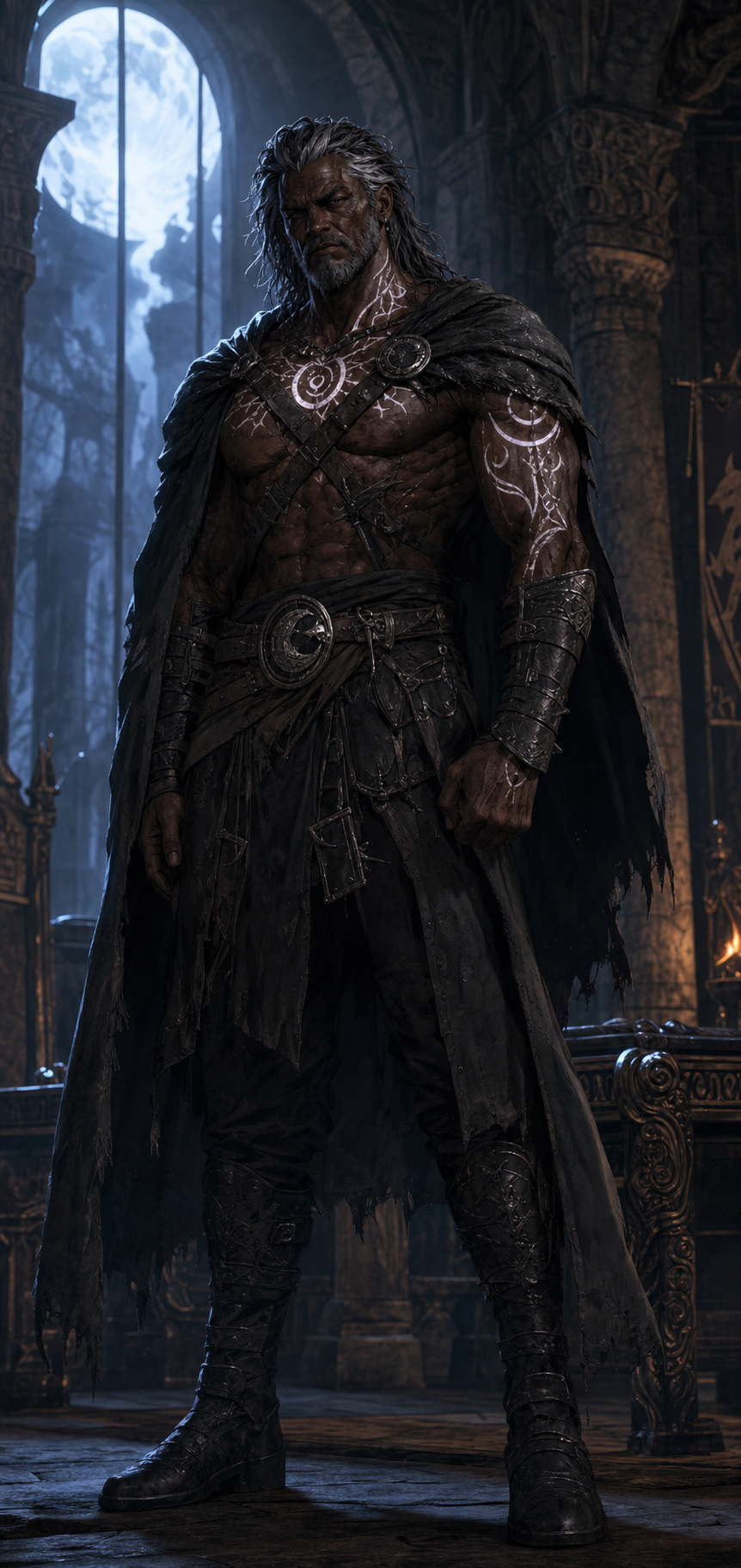
Brings forward matters of territorial integrity, defense, and external threats. The council's pressure toward action — the voice that asks whether deliberation is a luxury the situation allows. Has been the loudest advocate for formally recalling Alpha for three years running. The other seats have blocked it. The Full Moon elder calls this cowardice. The debate has not resolved and the tension is audible in every session.
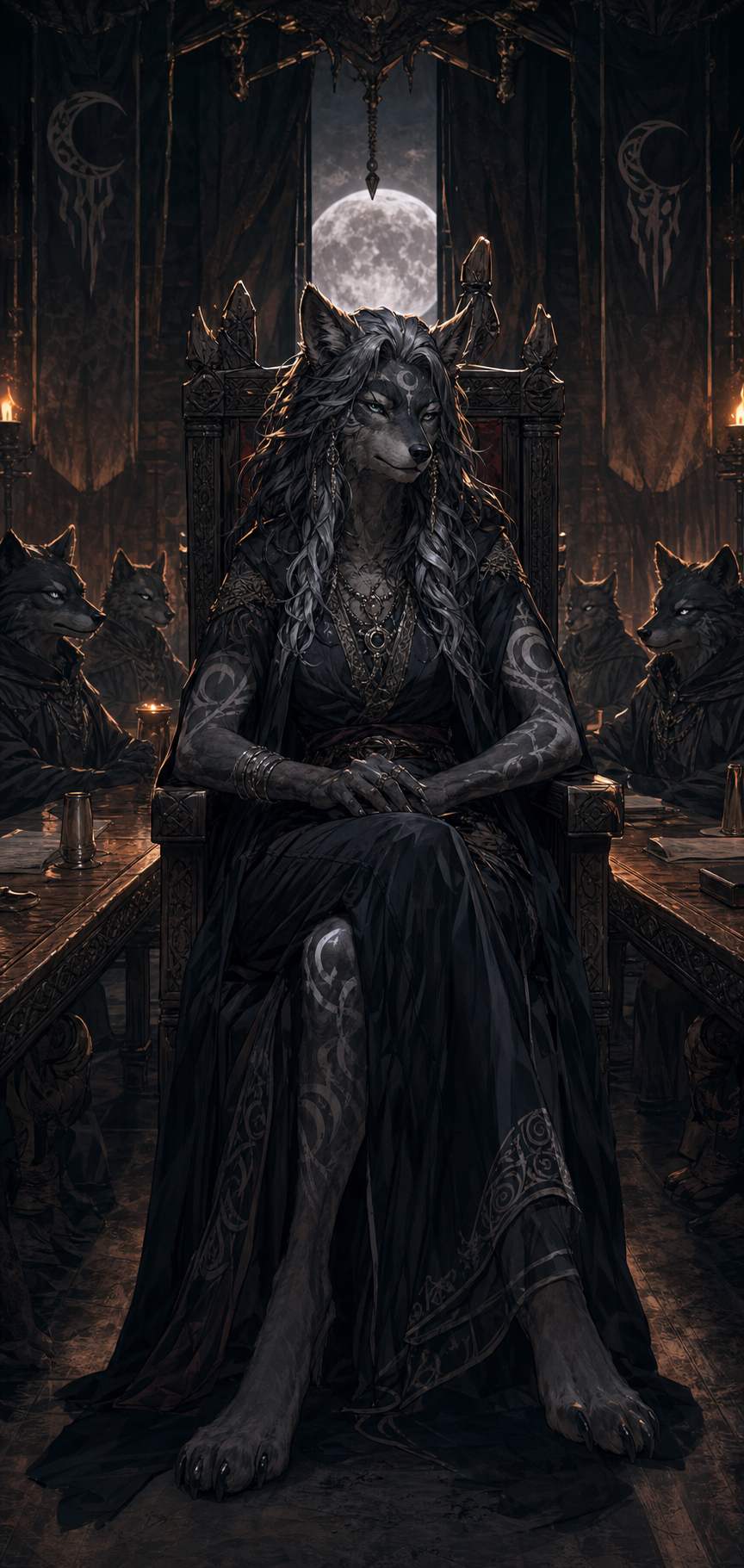
Chairs all council deliberations. Has procedural authority: calls the order of speaking, determines when a matter has been sufficiently discussed, calls the consensus assessment. In Alpha's absence, this authority has quietly expanded to fill some of what is missing above — making the seat more powerful than it was designed to be. The elder is aware of this. They are uncomfortable with it and have been careful not to let the expansion become permanent.
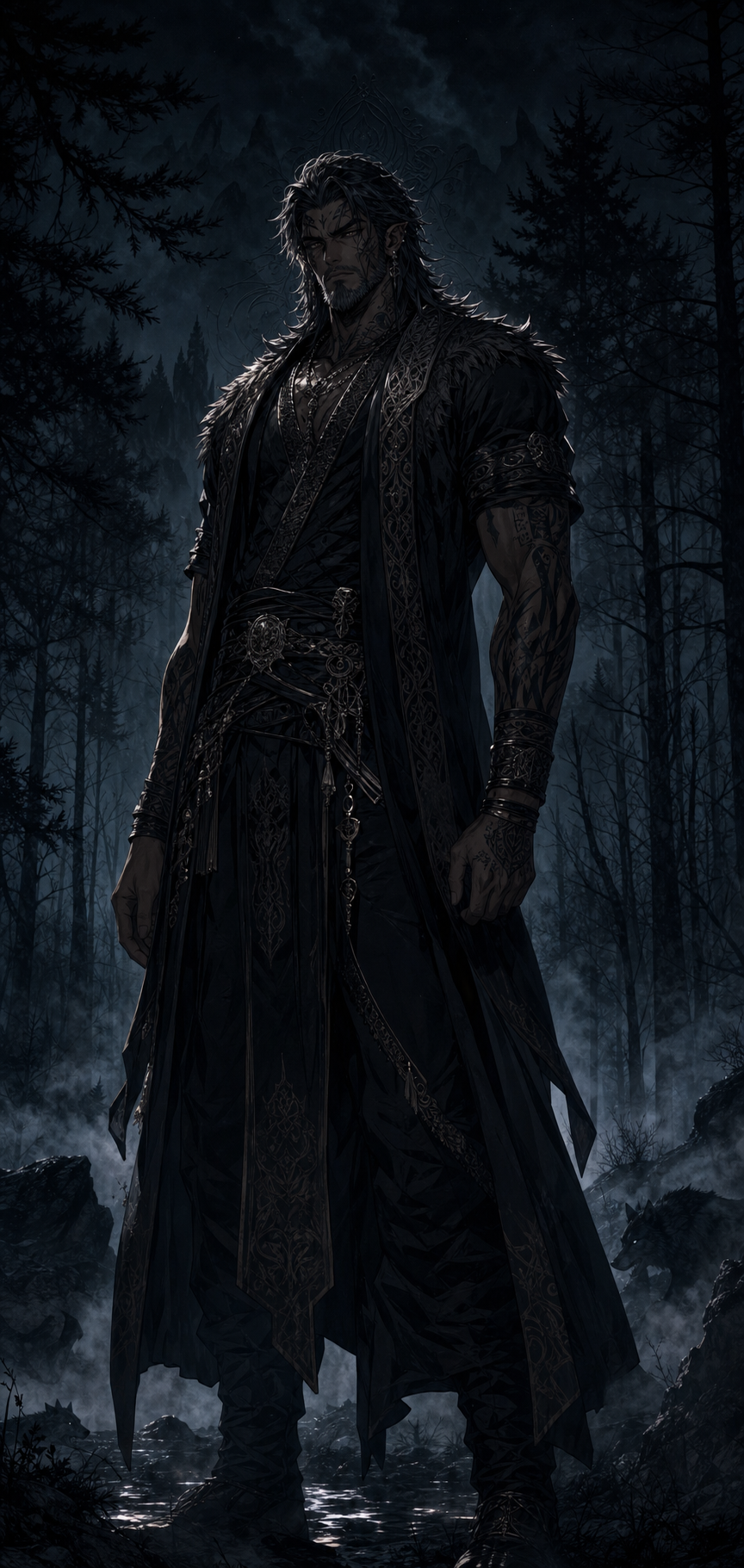
Brings forward what the pack has observed that others have not — threats in early formation, patterns not yet resolved into problems, the thing noticed but not yet named. The council's awareness of what is not yet visible to anyone else. Currently withholding a full intelligence picture the elder judges the other seats are not prepared to receive. Whether that judgment is correct is the question no one else on the council knows to ask.
The Fenrir Wilds — Visual Record